



Walk down any pharmacy aisle in India and the intimate hygiene shelf tells one story: cleaner is safer, and antiseptic is cleanest of all. The science tells a different story — and getting it backwards is one reason so many women find themselves treating the same infection again and again.
The ecosystem you were not told about
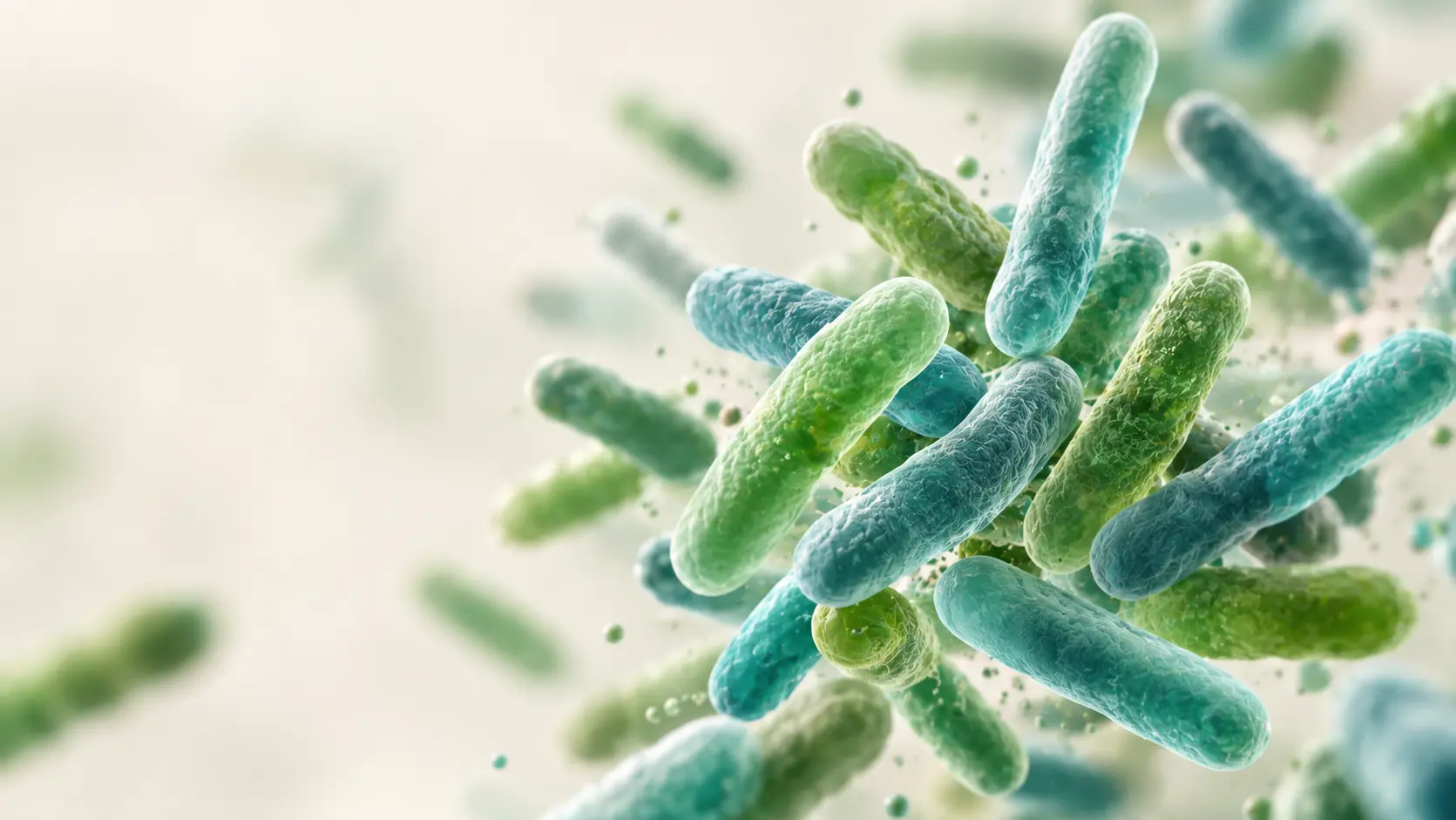
A healthy vaginal environment is not sterile. It is a dense, self-regulating microbial community, and in most healthy women it is dominated by a handful of Lactobacillus species — chiefly L. crispatus, L. gasseri, L. jensenii and L. iners.
These bacteria are not passengers. They are the defence system.
They metabolise glycogen released by vaginal epithelial cells and ferment it into lactic acid, in both its L- and D- forms. That acid holds the environment at a pH of roughly 3.8 to 4.5 — acidic enough that most uropathogens, including E. coli, Gardnerella and Candida, struggle to establish themselves.
Lactobacilli defend on several fronts at once:
- Acidification. Lactic acid is directly microbicidal against many pathogens and is now understood to be a more important protective factor than hydrogen peroxide, which earlier research emphasised.
- Competitive exclusion. They occupy the epithelial binding sites a pathogen would need.
- Bacteriocins. Antimicrobial peptides that inhibit competing species.
- Biofilm interference. They disrupt the protective films pathogens build to resist treatment.
This system evolved over millennia. It works well — until it is dismantled.
What an antiseptic wash actually does
An antiseptic does not distinguish between a pathogen and a protector. It cannot. Applied to the vulvovaginal area, a broad-spectrum antiseptic reduces the Lactobacillus population alongside everything else.
The consequences follow predictably:
- Lactic acid production falls.
- pH drifts upward, toward neutral.
- The acidic barrier that suppressed pathogens is gone.
- Opportunistic organisms — which recolonise faster than Lactobacilli do — move into the vacant niche.
The immediate sensation is cleanliness. The medium-term result is a less defended environment. Studies on vaginal douching have repeatedly associated the practice with higher rates of bacterial vaginosis rather than lower.
Many alkaline soaps do the same thing more quietly. Ordinary bar soap typically sits between pH 9 and 10. Applied regularly to an area that needs to stay near pH 4, it works against the very system protecting you.
The correct question
The useful question is not how do I kill more bacteria? It is how do I help the right bacteria win?
Globally, probiotics — introducing Lactobacilli from outside — have produced mixed results. The bacteria frequently fail to colonise and persist. The concept was sound; the delivery was not.
Our work under Safe & Sure takes the other route. Rather than adding bacteria, we feed the ones already present. The technology is a mucoadhesive system that holds selective prebiotics in place long enough for resident Lactobacilli to ferment them, produce lactic acid and reclaim dominance. The ecosystem restores itself.
What to do today
- Choose a wash formulated to an acidic pH, not an antiseptic one.
- External cleansing only. The vagina is self-cleaning; internal douching is counterproductive.
- Treat an actual infection with a diagnosis and a prescription, not a stronger wash.
Your first line of defence is already in place. The task is to stop damaging it.